"Is IPTV legal?" is a fair question, and a one-word answer would be misleading. The technology is perfectly legal: delivering television over the internet is how many broadcasters and streaming services operate. What decides whether a given use is lawful is where the content comes from and whether you have the right to watch it. This article is general information, not legal advice, and rules differ between countries.
A player is not the content
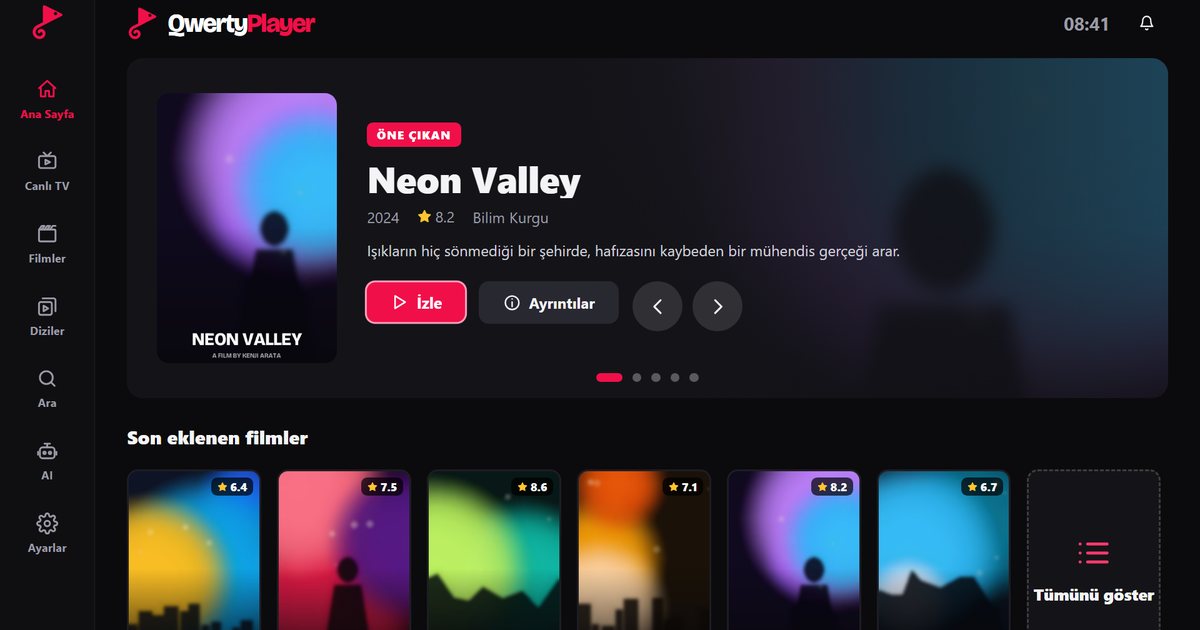
QwertyPlayer is only a player. It does not provide, sell or host channels, films or series, and it does not review what is inside the lists you add. Your M3U link or Xtream Codes account comes from a service provider of your choosing. Having the right to watch that material is your responsibility, as is following the copyright rules of the country you live in.
Signs that a service may not be legitimate
- The price is extremely low compared with what the offer claims to include, or it says "everything free".
- It cannot be traced to a named company with a way to contact it.
- Payment is requested only through untraceable methods, or only in cryptocurrency or gift cards.
- It sells its service through social media or messaging groups with no terms of service.
Services that are not authorised can disappear overnight and take your payment with them. For more on the free offers you will see, read free IPTV players.
Good habits for responsible use
- Watch content that comes from the rights holder, from a broadcaster or from a service you are properly subscribed to.
- Learn what your country's copyright law says about streaming and sharing.
- Keep your credentials to yourself. Sharing a list link or login can break your provider's terms and exposes your account.
- Keep receipts and the provider's contact details so you can ask questions or get a refund if a service closes.
Choosing and installing apps safely
- Use official stores or the developer's website. QwertyPlayer links are on the download page.
- Read the privacy policy and check which data is collected.
- Decline permissions a video player has no reason to use.
- Do not sideload files from unknown sources. A cracked or modified app can contain malware.
The checklist for choosing an IPTV player brings these checks together.
Questions to ask a provider
Before paying for any service, ask who operates it, which channels and regions are included, how many simultaneous connections are allowed, what the refund and cancellation terms are, and how support can be reached. A legitimate provider answers plainly and in writing. If the answers are vague, or the seller pushes you to pay immediately, that is reason enough to walk away. Remember too that a service which was reliable last year can change owners or lose its rights, so review your subscription from time to time.
Protecting your data
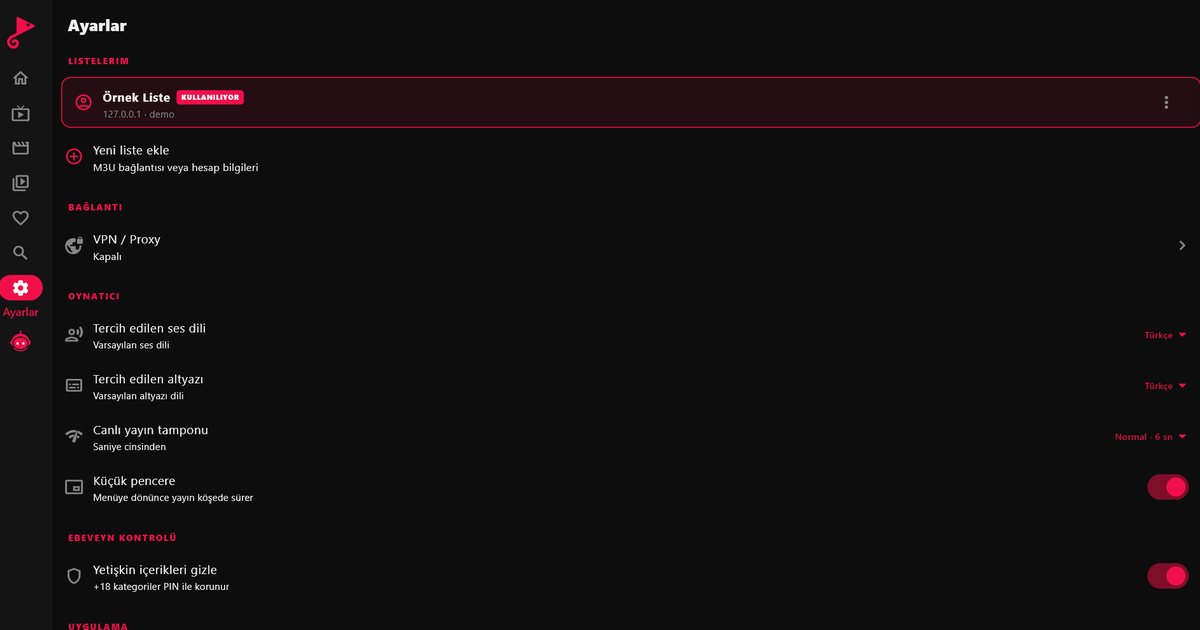
QwertyPlayer stores list passwords in encrypted form and uses HTTPS. When you send a list to a television, the Connect to TV page uses a short-lived, single-use code, so nothing sensitive stays valid afterwards. If you want to keep the app's traffic private on a shared network, see VPN and proxy setup, remembering that a VPN does not alter your responsibility for what you watch.
Protecting children
Where a device is shared, switch on the PIN-protected filter described in IPTV parental controls. For installation on each device, the device guide has the details.
Frequently asked questions
Is IPTV legal?
IPTV as a technology is legal. Whether a particular service is lawful depends on its content source and your right to watch it. This is not legal advice.
Does QwertyPlayer provide content?
No. QwertyPlayer is only a player. It does not provide or sell channels, films or series.
How can I tell an app is safe?
Look for availability in an official store or on the developer's site, a clear privacy policy and no unnecessary permission requests.
Should I share my playlist details?
No. Your username, password and list link give access to your account, so keep them private.
Try it with QwertyPlayer
Download with a free trial for Android, Android TV, Fire TV, Huawei and Windows.